Crash Reshapes Precinct Priorities: NYPD Collision Sparks Scrutiny and Policy Changes
In a twist of fate, a routine traffic stop in Queens ended in a collision between an NYPD vehicle and a civilian car, prompting a closer look at departmental procedures and the ongoing efforts to ensure public safety. This unexpected incident has become a catalyst for meaningful discussions and potential policy revisions within the law enforcement agency, as it grapples with the complexities of balancing efficient law enforcement and minimizing risks to both officers and the community they serve.Uncovering the Circumstances: A Closer Look at the NYPD Collision
The Fateful Encounter
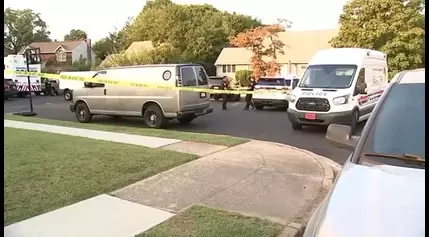
The events unfolded on a Monday evening in the heart of Forest Hills, Queens. NYPD officers were in pursuit of a driver who had committed a traffic violation, but they had not activated their lights and sirens, a standard protocol for initiating a traffic stop. As the officers proceeded, their vehicle was abruptly t-boned by a civilian car at the intersection of 65th Avenue and 108th Street. The collision was a stark reminder of the unpredictable nature of law enforcement operations and the inherent risks involved. Despite their training and experience, the officers found themselves in a situation that could have easily escalated into a more severe incident. Fortunately, the two officers and the driver of the other vehicle were transported to the hospital, where they were treated for minor injuries.
Investigating the Circumstances
The NYPD launched an immediate investigation into the collision, seeking to understand the factors that contributed to the incident. Authorities confirmed that the officers' vehicle had the right of way at the intersection, suggesting that the civilian driver may have been at fault for the collision. The inquiry delved into the officers' decision-making process, examining whether the lack of activated lights and sirens played a role in the unexpected turn of events. Additionally, the investigation aimed to determine if any departmental protocols or training procedures needed to be reassessed to enhance officer and public safety during similar law enforcement operations.
Implications and Potential Changes
The collision has sparked a deeper conversation within the NYPD about the balance between efficient law enforcement and minimizing risks to all involved. The incident has raised questions about the department's policies regarding the use of lights and sirens during traffic stops, as well as the need for clearer communication and coordination between officers and civilian drivers.As the investigation progresses, the NYPD is expected to carefully review its operational guidelines and consider implementing changes that could help prevent similar collisions in the future. This may include enhanced training for officers on risk assessment and decision-making during high-stress situations, as well as increased public awareness campaigns to educate drivers on the appropriate response when encountering emergency vehicles.
Prioritizing Safety: A Renewed Commitment
The NYPD's primary focus in the aftermath of the collision is to ensure the well-being of the officers and the civilian driver involved, while also examining the systemic factors that contributed to the incident. The department has expressed a renewed commitment to prioritizing the safety of both its personnel and the community they serve, recognizing that incidents like this can have far-reaching implications.As the investigation continues, the NYPD is likely to engage in a comprehensive review of its policies, procedures, and training protocols to identify areas for improvement. This process will involve collaboration with various stakeholders, including community leaders and safety advocates, to develop a holistic approach to enhancing safety and trust within the local community.The ultimate goal is to learn from this unfortunate incident and implement meaningful changes that will help strengthen the bond between the NYPD and the people it serves, ensuring that the community can feel secure and supported in their daily lives.