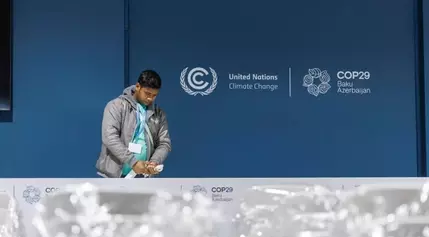
The COP29 climate summit in Azerbaijan came to a close with a sense of disappointment. The main objective of these talks - to establish a new climate finance goal to replace the 0 billion annual pledge from wealthy to poor nations - was technically accomplished. However, it failed to meet the expectations that were set.Key Aspects and Challenges
Establishing the New Climate Finance Goal
Setting the New Collective Quantified Goal (NCQG) on Climate Finance proved to be a frustrating process. Negotiators had hoped that the preliminary talks held throughout the year would pave the way for quicker decisions at the summit. But deadlocks over the amount, timeline, and financial contributors persisted, leading some climate-vulnerable nations to walk out in protest during the final hours. After two days of schedule overruns, negotiators finally reached a watered-down agreement. This agreement sets two separate goals to be achieved by 2035: a 0 billion annual target to replace the previous 0 billion pledge, with developed countries taking the lead and drawing from both private and public contributions. It also promises a "roadmap" to increase finance from all actors, developed and developing countries, to .3 trillion annually.However, if countries do not transition away from or, better yet, phase out fossil fuel usage, no amount of finance in the world will be able to compensate for the damage they cause. The tripling of finance flows may seem ambitious, but the new framework does not align with the needs of developing countries and requires little extra effort from wealthy donor countries. Projections indicate that inflation and economic growth alone would have increased the value of the previous 0 billion pledge to 0 billion by 2035.
The "Roadmap" and Its Implications
The "roadmap" to scale up finance, which was promised, kicks the can down the road. The refinement of details was postponed to next year's summit in Brazil. This delay risks causing a delay in financial commitments until the final years. The 2035 deadline itself is also problematic as a review of progress is due in 2030, but the absence of interim targets to scale funding over time could lead to a slowdown in efforts.During the talks in Baku, there was also a focus on expanding contributors to the NCQG to recognize the rising wealth and emissions of some developing nations. While the formal division of the donor base remained unchanged, voluntary "South South" contributions from industrializing economies like China are now included as climate finance flows.
Unfulfilled Hopes and Frustrations
Developing countries had hoped for concrete actions on the quality of finance, access to funding, and financial assistance for "Loss and Damage." However, the final text only offered a vague reference to the need for increased grants and highly concessional finance and support for the most climate-vulnerable countries.Even many developed countries were dissatisfied as the outcome at Baku did not build on last year's landmark commitment to transition away from fossil fuels. Oil-rich Saudi Arabia and its allies stubbornly refused to agree to any text referring to fossil fuels, attempting to reverse last year's progress. The boycotting tactics and slow progress throughout the talks added to the overall frustration.The presidency of Azerbaijan, which was under sharp scrutiny due to its ties to the oil and gas industry, was criticized for weak leadership. German Foreign Minister Annalena Baerbock openly accused the presidency of siding with the interests of major fossil fuel producers. Deferring the issue of fossil fuels to next year's talks in Brazil only delays the necessary actions when every year counts. The world is already dangerously close to breaching the target set by the 2015 Paris Agreement to limit global warming to 1.5°C above pre-industrial levels.
The Approval of New UN Standards for Carbon Markets
A hurried move on the summit's opening day to approve new UN standards for carbon markets provided little comfort. The deal creates a framework for countries to buy carbon credits for removing or avoiding greenhouse gases elsewhere in the world. While it resolves a long-stalled agenda item, the effectiveness of carbon markets remains controversial. The adopted rules have loopholes and serious transparency problems that undermine the mechanism's credibility.