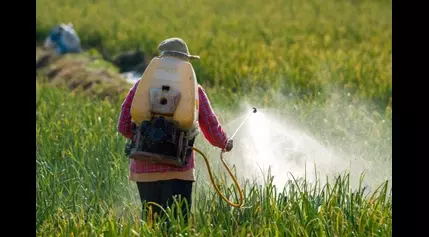
Safeguarding Our Future: The EPA's Decisive Action Against Harmful Pesticides
In a groundbreaking move, the U.S. Environmental Protection Agency has taken emergency action to suspend the use of a widely used pesticide, DCPA, also known as Dacthal, due to its alarming health implications. This decision marks a significant step in the agency's ongoing efforts to protect public health and the environment. As we delve into the details, it becomes clear that this decision holds profound implications for the well-being of our communities and the generations to come.Uncovering the Dangers: DCPA's Troubling Health Impacts
Exposing the Risks to Unborn Babies
The EPA's investigation has revealed that DCPA, a pesticide commonly used on produce such as broccoli, Brussels sprouts, onions, and cabbage, as well as in weed control for turf grass, is linked to low birth weights in babies exposed to it in utero. This alarming finding underscores the need to safeguard the health and development of our most vulnerable population – our children. Farm workers who come into close contact with this chemical are at the greatest risk of exposure, highlighting the importance of comprehensive protection measures for those on the frontlines of food production.
Impacts on Brain Development
In addition to the concerns surrounding low birth weights, the EPA's findings also indicate that DCPA exposure can lead to issues with brain development later in life. This discovery is particularly troubling, as it suggests that the effects of this pesticide can have long-lasting consequences on the cognitive and neurological well-being of individuals exposed to it, both during pregnancy and throughout their lives. The decision to remove DCPA from the market is a crucial step in preventing these potential developmental challenges.
Echoes of the Past: Lessons from the DDT Ban
The EPA's action on DCPA is reminiscent of its previous decision to ban the use of DDT (dichlorodiphenyltrichloroethane) in 1972. DDT, a widely used insecticide, was found to have harmful environmental effects and potential risks to human health, including links to breast cancer, obesity, birth defects, reduced fertility, and testicular cancer. The lingering presence of DDT in our oceans serves as a sobering reminder of the long-lasting impact of such chemicals, underscoring the importance of proactive measures to protect our ecosystems and public health.
Unraveling the Mysteries of MIS-C
While the EPA's decision to ban DCPA is a significant step, the article also delves into another COVID-19-related concern – the emergence of multi-system inflammatory syndrome in children (MIS-C). This rare condition, which affects approximately 1 in 2,000 children infected with COVID-19, can lead to hospitalization and, in rare cases, even death. A recent study published in Nature has shed light on the underlying cause of MIS-C, revealing that it is the result of an incorrect immune response, where the body's defense system mistakenly targets its own proteins instead of the virus.
The Importance of Vaccination and Vigilance
The article emphasizes that MIS-C is more common in unvaccinated children, and that the incidence of this condition often rises about four weeks after a surge in COVID-19 cases within a community. As the country currently experiences a COVID-19 wave, it is crucial for parents to be vigilant and seek medical attention if their child exhibits symptoms consistent with MIS-C. The insights gained from the study on the underlying causes of this condition can help healthcare providers develop more effective strategies to combat this serious complication of COVID-19 in children.
The Listeria Outbreak: A Sobering Reminder
The article also sheds light on a recent listeria outbreak linked to packaged deli meat, which has resulted in the hospitalization of 43 people across 13 states and the tragic loss of three lives. The outbreak has been traced back to Boar's Head products, leading to a recall of all deli items with sell-by dates between July 29 and October 17, 2024. Listeria is a dangerous bacteria that can thrive in cold environments, making it crucial for consumers to discard any affected products and thoroughly clean and sanitize their refrigerators to prevent further contamination.The article's comprehensive coverage of these pressing health and safety issues serves as a stark reminder of the importance of vigilance, proactive measures, and a commitment to protecting the well-being of our communities. As we navigate these challenges, it is clear that the decisions made by regulatory bodies like the EPA and the insights gained from scientific research can have a profound impact on safeguarding our collective future.