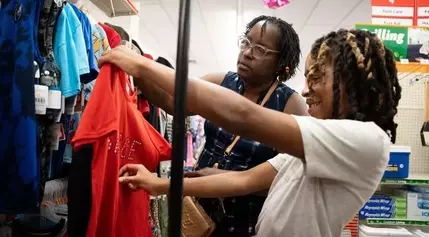
Navigating the Changing Landscape: How Dollar Store Closures Impact Families on Food Assistance
The closure of dollar stores across the United States has had a significant impact on families relying on food assistance programs. These affordable retail outlets have long served as a lifeline for low-income households, providing access to essential goods and groceries at discounted prices. However, as these stores shutter, the ripple effects are being felt by the very communities they once supported, leaving many families struggling to make ends meet.Empowering Families in the Face of Adversity
The Vital Role of Dollar Stores for Food Assistance Recipients
For families enrolled in government-sponsored food assistance programs, such as the Supplemental Nutrition Assistance Program (SNAP) or the Special Supplemental Nutrition Program for Women, Infants, and Children (WIC), dollar stores have long been a crucial resource. These establishments often provide access to affordable, nutritious food options in areas where traditional grocery stores are scarce or inaccessible. By offering a wide range of products at discounted prices, dollar stores have enabled low-income households to stretch their limited food budgets further, ensuring they can put food on the table.The closure of these stores, however, has created a significant void in the lives of many families relying on food assistance. Without the convenient and cost-effective options provided by dollar stores, these households must now navigate a more challenging landscape, often having to travel longer distances or pay higher prices to access the essential items they need. This added burden can further strain already tight budgets, leading to difficult choices and potential food insecurity.
Addressing the Ripple Effects of Dollar Store Closures
The impact of dollar store closures extends beyond the immediate loss of a shopping option. These establishments have often served as community hubs, providing not only affordable goods but also employment opportunities and a sense of stability for the neighborhoods they serve. When a dollar store shutters, the reverberations can be felt throughout the local economy, as job losses and reduced access to essential services can exacerbate existing challenges faced by low-income families.In response to these pressing issues, policymakers and community organizations have begun to explore innovative solutions to mitigate the effects of dollar store closures. Initiatives aimed at expanding access to affordable, nutritious food options in underserved areas, such as the establishment of mobile grocery stores or the promotion of urban farming, have the potential to fill the void left by the disappearance of dollar stores. Additionally, efforts to support and empower local businesses, including small-scale grocery stores and community-based organizations, can help strengthen the economic resilience of these communities.
Empowering Families Through Collaborative Efforts
As the landscape of affordable retail options continues to evolve, it is crucial that families relying on food assistance programs are not left behind. By fostering collaborative efforts between government agencies, community organizations, and the private sector, a comprehensive approach can be developed to address the unique challenges faced by these households.This may involve initiatives such as expanding transportation options to enable easier access to alternative shopping destinations, providing financial literacy and budgeting education to help families navigate the changing landscape, and advocating for policy changes that prioritize the needs of low-income communities. Additionally, the integration of technology-based solutions, such as online ordering and delivery services, can help bridge the gap and ensure that families can continue to access the essential goods they require.Ultimately, the closure of dollar stores presents a complex challenge that requires a multifaceted response. By working together to understand the unique needs of families on food assistance and implementing targeted, community-driven solutions, we can empower these households to navigate the changing landscape and maintain their access to affordable, nutritious food options.