Uncovering the Espionage Masterpiece: The Untold Story of Spycraft
In the mid-1990s, an unexpected collaboration between a former KGB Major General and a ex-CIA Director resulted in the creation of a groundbreaking espionage video game that would captivate audiences worldwide. Nearly three decades later, the story behind this multi-million dollar project, known as "The Great Game: The Making of Spycraft," is finally being unveiled, shedding light on the intricate web of Cold War power players, the pioneering video game publisher Activision, and the cutting-edge interactive technology that defined the era.Unraveling the Secrets of a Forgotten Espionage Masterpiece
The Unexpected Collaboration of Cold War Adversaries
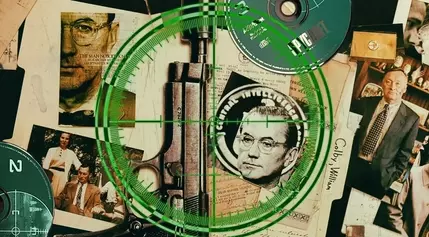
The story of "The Great Game: The Making of Spycraft" begins with an unlikely partnership between two former intelligence officers on opposite sides of the Cold War divide. Oleg Kalugin, a former KGB Major General, and William Colby, the ex-Director of the CIA, came together to create a video game that would immerse players in the high-stakes world of international espionage. This collaboration, forged in the aftermath of the Cold War, was a testament to the power of reconciliation and the shared desire to shed light on the covert operations that had once defined their careers.
Activision's Ambitious Venture into Interactive Storytelling
The video game publisher Activision, known for its innovative approach to game development, saw the potential in Kalugin and Colby's vision. Recognizing the growing demand for immersive, narrative-driven experiences, Activision invested heavily in the project, providing the resources and expertise needed to bring "The Great Game: The Making of Spycraft" to life. The game's ambitious scope, which combined full-motion video (FMV) technology with interactive gameplay, pushed the boundaries of what was possible in the video game industry at the time.
The Cutting-Edge Technology that Defined an Era
The use of full-motion video (FMV) in "The Great Game: The Making of Spycraft" was a groundbreaking innovation that captivated players. This interactive technology, which allowed for the seamless integration of live-action footage and gameplay, was at the forefront of the video game industry in the 1990s. The game's ability to immerse players in a cinematic espionage narrative, complete with high-stakes decisions and branching storylines, set a new standard for the genre and paved the way for future advancements in interactive storytelling.
The Lasting Impact of Spycraft
Despite its initial success and critical acclaim, "The Great Game: The Making of Spycraft" faded into obscurity over the years, leaving many to wonder about its lasting impact on the video game industry. Polygon's documentary, featuring new interviews and insights from a diverse array of experts, seeks to uncover the story behind this forgotten masterpiece and explore its enduring significance. By shining a light on this important piece of video game history, the documentary aims to rekindle interest in "The Great Game: The Making of Spycraft" and inspire a new generation of game developers to push the boundaries of interactive storytelling.
The Enduring Legacy of Espionage in Gaming
The creation of "The Great Game: The Making of Spycraft" was not just a remarkable feat of video game development, but also a testament to the enduring fascination with the world of espionage and covert operations. The game's ability to immerse players in the high-stakes world of international intrigue, complete with complex moral dilemmas and the thrill of uncovering secrets, has left a lasting impact on the gaming industry. As the documentary explores, the legacy of "The Great Game: The Making of Spycraft" can be seen in the continued popularity of espionage-themed games and the ongoing exploration of the intersection between interactive media and real-world intelligence operations.