Navigating the Challenges of Electric Patrol Vehicles: A Cautionary Tale for Law Enforcement
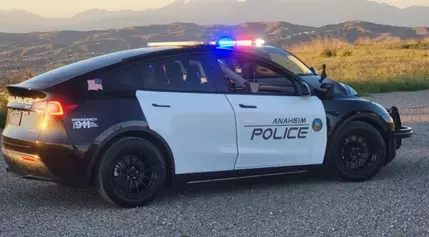
As the world moves towards a more sustainable future, law enforcement agencies have been exploring the adoption of electric vehicles (EVs) to replace their traditional gasoline-powered fleets. However, the transition has not been without its challenges, as several police departments in California have discovered. This article delves into the unexpected hurdles faced by these agencies, shedding light on the complexities of integrating electric vehicles into the demanding world of law enforcement.Rethinking the Future of Policing: The Unexpected Challenges of Tesla Patrol Cars
Cramped Quarters and Compromised Functionality
When California police departments initially embraced the Tesla Y models, they were drawn to the vehicles' eco-friendly credentials and the promise of a technologically advanced future. However, the reality on the ground has been far from seamless. One of the primary issues cited by the police chiefs is the limited space within the Tesla's interior, particularly in the backseat. Designed for civilian use, the Tesla's rear compartment is simply too small to accommodate the needs of law enforcement, leaving officers with limited room to transport suspects or additional personnel.Furthermore, the front cabin of the Tesla has also proven to be a challenge, with officers reporting a cramped and confined workspace. The ergonomics of the vehicle's design, tailored for the average consumer, do not align with the specific requirements of police work, where officers need ample space to access their equipment and navigate the various controls and systems within the vehicle.
Autopilot Interference and Charging Vulnerabilities
Another significant concern raised by the police chiefs is the interference caused by the Tesla's autopilot feature. During high-speed pursuits or emergency situations, the vehicle's autonomous systems have been known to abruptly attempt to pull the car off the road, potentially jeopardizing the officers' ability to respond effectively. This unpredictable behavior can create dangerous scenarios, where the officers must constantly override the vehicle's autonomous functions to maintain control and ensure the safety of the public.Additionally, the reliance on charging stations has introduced a new vulnerability for law enforcement agencies. When transporting suspects over long distances, the need to frequently stop and recharge the Tesla's battery can leave officers and their detainees exposed, potentially compromising the safety and security of the operation.
The Limitations of Electric Vehicle Ballistics
Another critical factor that has emerged is the limitation of electric vehicles when it comes to ballistic protection. In a firefight, police officers are trained to use the engine block of a traditional gasoline-powered vehicle as a shield, providing a layer of protection against incoming gunfire. However, with the absence of a combustion engine in electric vehicles, this vital defensive measure is no longer an option, leaving officers more vulnerable in high-risk situations.
Rethinking the Transition to Electric Patrol Vehicles
The challenges faced by these California police departments serve as a cautionary tale for law enforcement agencies considering the transition to electric vehicles. While the environmental benefits of EVs are undeniable, the specific needs and operational requirements of law enforcement must be carefully evaluated and addressed before making the switch.As the technology continues to evolve, it is crucial for manufacturers and policymakers to collaborate with law enforcement agencies to develop electric vehicles that are tailored to the unique demands of policing. This may involve rethinking the interior design, enhancing the autonomous features to better suit emergency response scenarios, and exploring innovative solutions to address the limitations of electric vehicles in ballistic situations.By proactively addressing these challenges, law enforcement agencies can ensure a smooth and effective integration of electric vehicles into their fleets, ultimately contributing to a more sustainable and technologically advanced future for public safety.